Juneteenth, celebrated on June 19th each year, commemorates the emancipation of enslaved African Americans in the United States. On this day in 1865, Union General Gordon Granger arrived in Galveston, Texas, and issued General Order No. 3, officially proclaiming freedom for all enslaved individuals in Texas. This announcement came two and a half years after President Abraham Lincoln’s Emancipation Proclamation, which had declared enslaved people in Confederate states to be free as of January 1, 1863. However, due to the limited presence of Union troops in Texas, enforcement of the proclamation had been delayed.
Juneteenth holds significant historical and cultural importance as a symbol of liberation, resilience, and the ongoing struggle for civil rights. It represents the moment when the last enslaved individuals in the United States learned of their freedom, marking the end of one of the darkest chapters in American history.
We celebrate freedom on Juneteenth to honor the resilience and perseverance of African Americans in the face of systemic oppression and injustice. It serves as a reminder of the sacrifices made by those who fought for freedom and equality, as well as a call to continue the ongoing struggle for justice and civil rights for all. Juneteenth is not only a day of reflection and remembrance but also a celebration of the progress made and a commitment to the work that still lies ahead in creating a more inclusive and equitable society. It is a time for communities to come together, remember, celebrate, and reaffirm their commitment to the principles of freedom, equality, and justice for all.
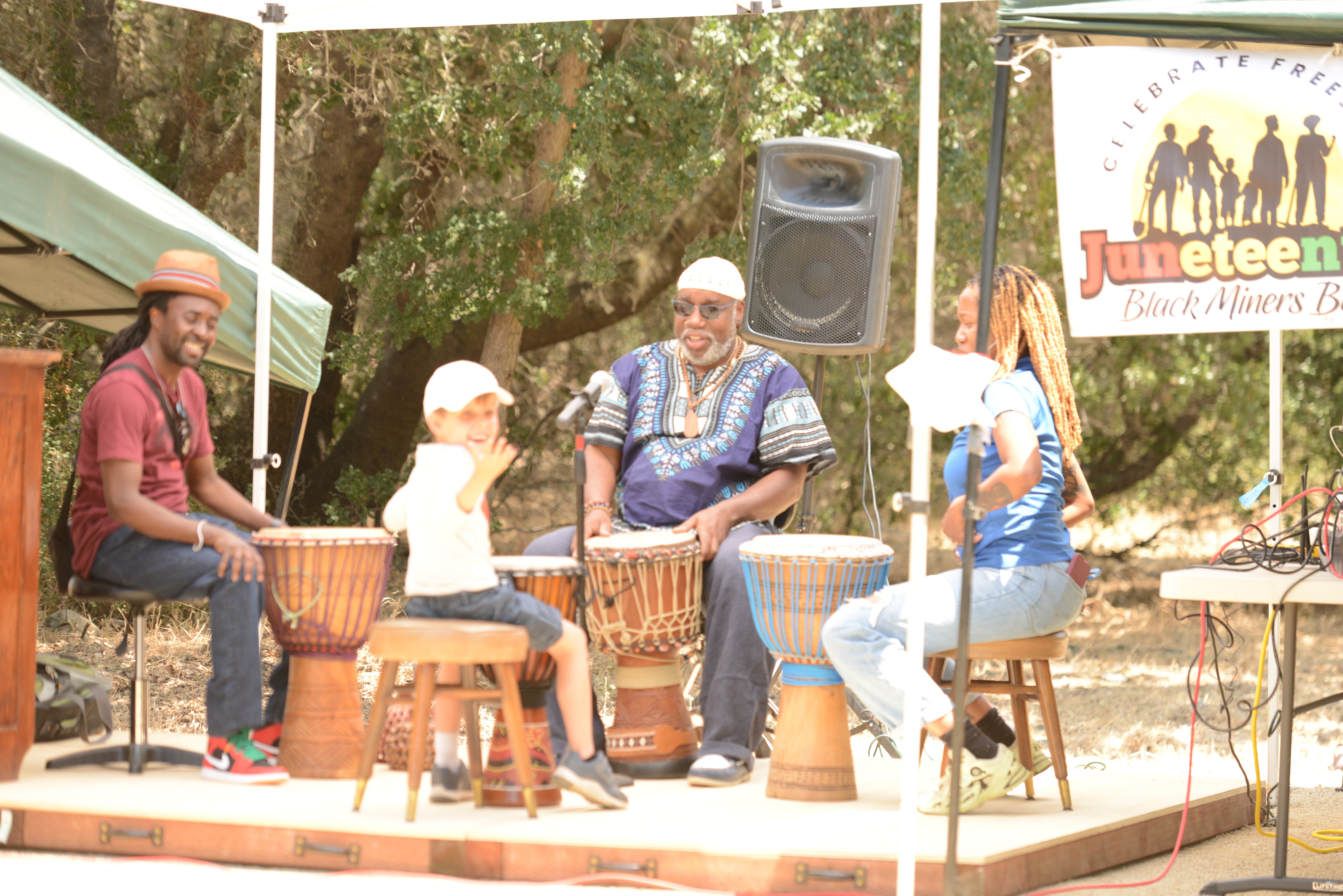


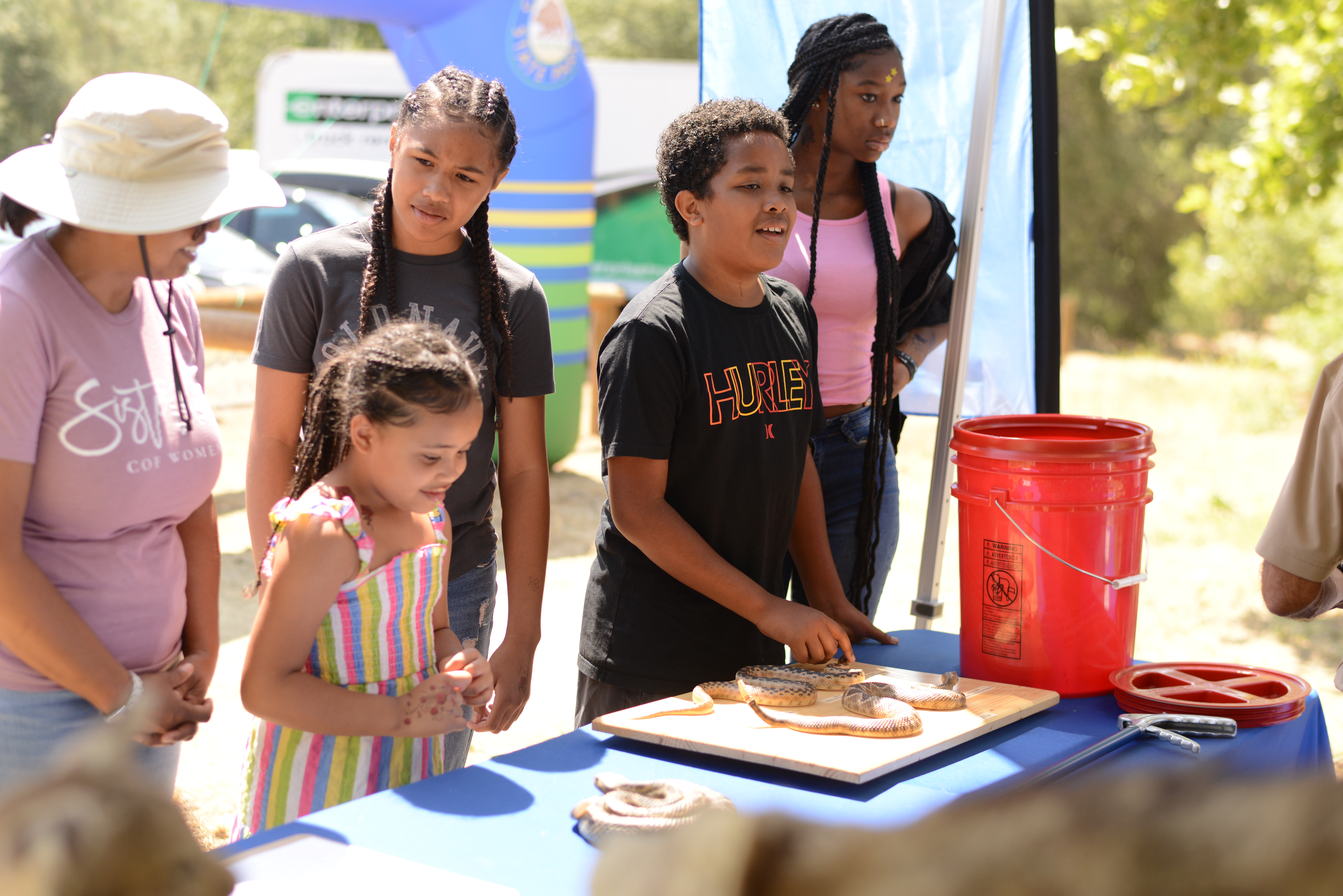
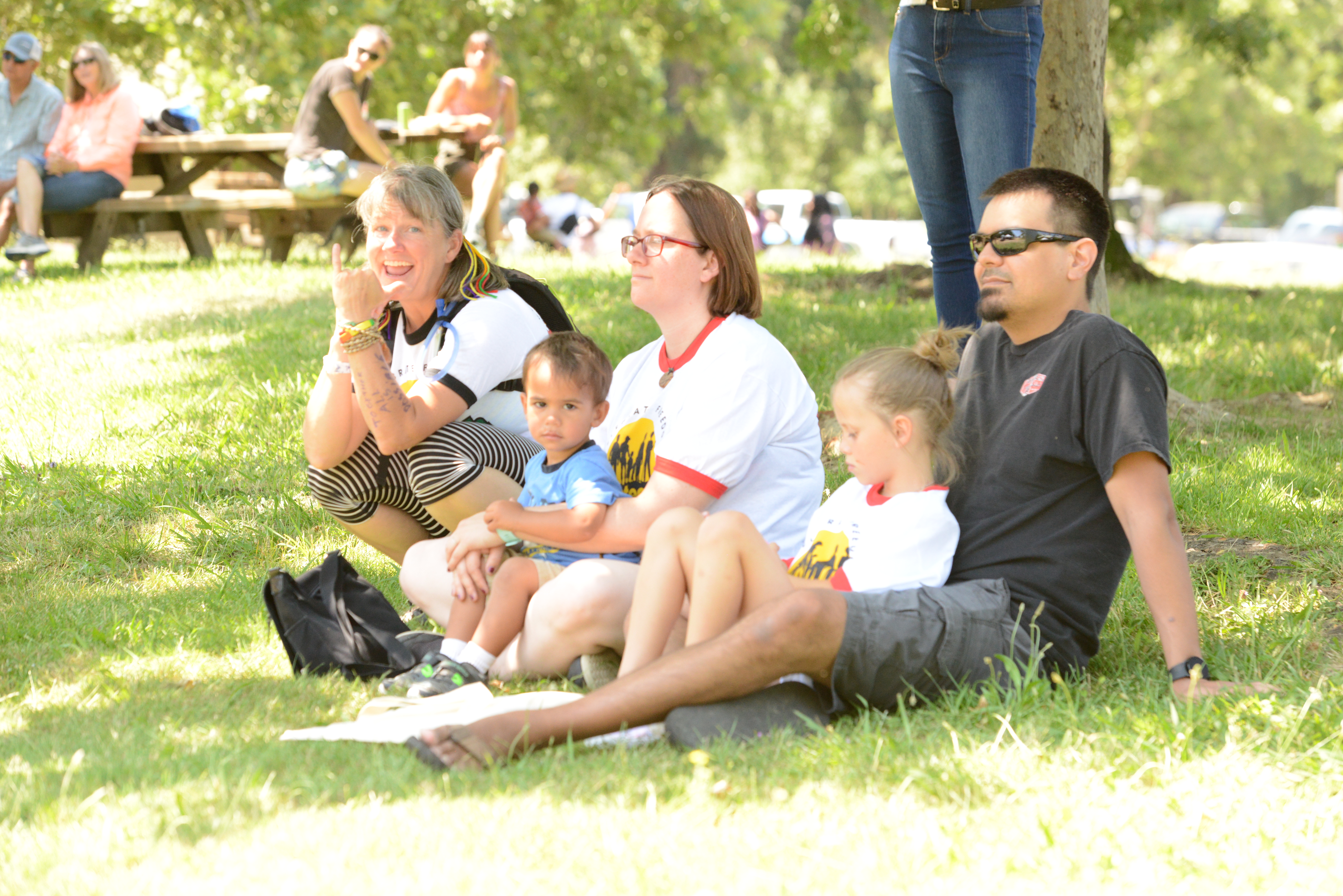
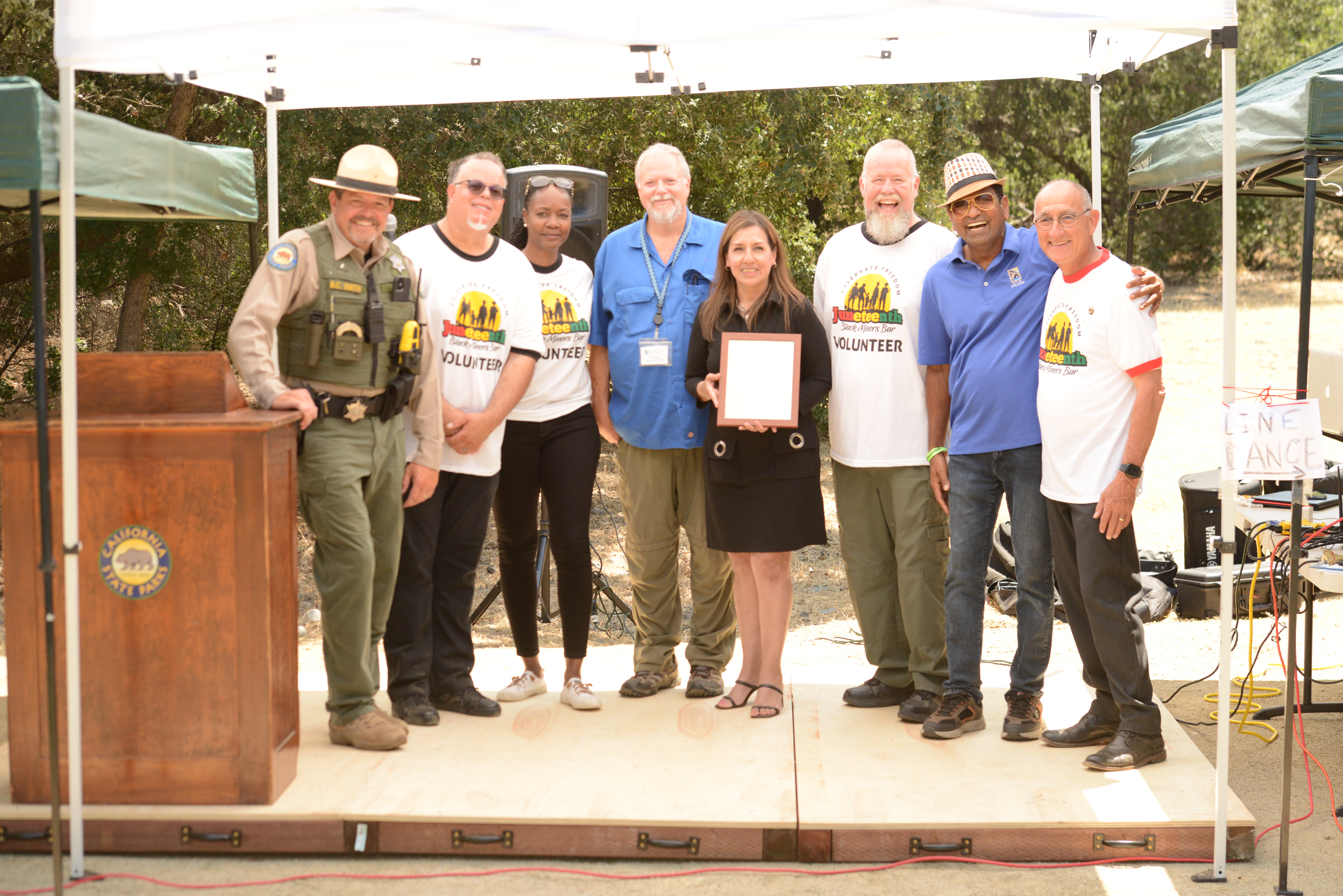
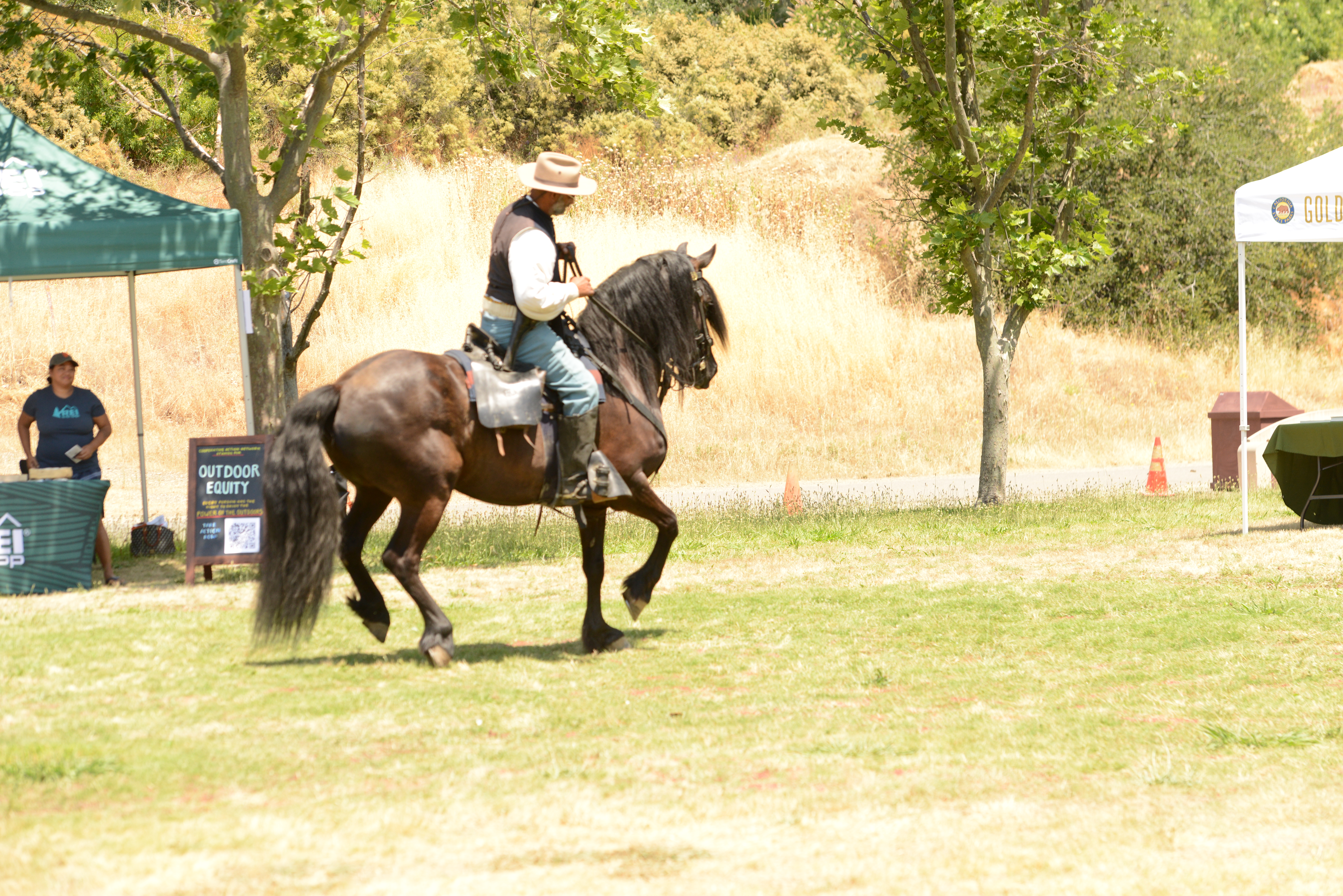

 Juneteenth Folsom @ Black Miners Bar